
Humanoid Robots
Tesla Optimus Gen 3: Mid-2026 Reveal Accelerates Humanoid Readiness
Tesla Optimus Gen 3 mid-2026 unveil and mass production at $20-30K: implications for humanoid robot readiness, local AI servers, and AI privacy in homes and businesses.

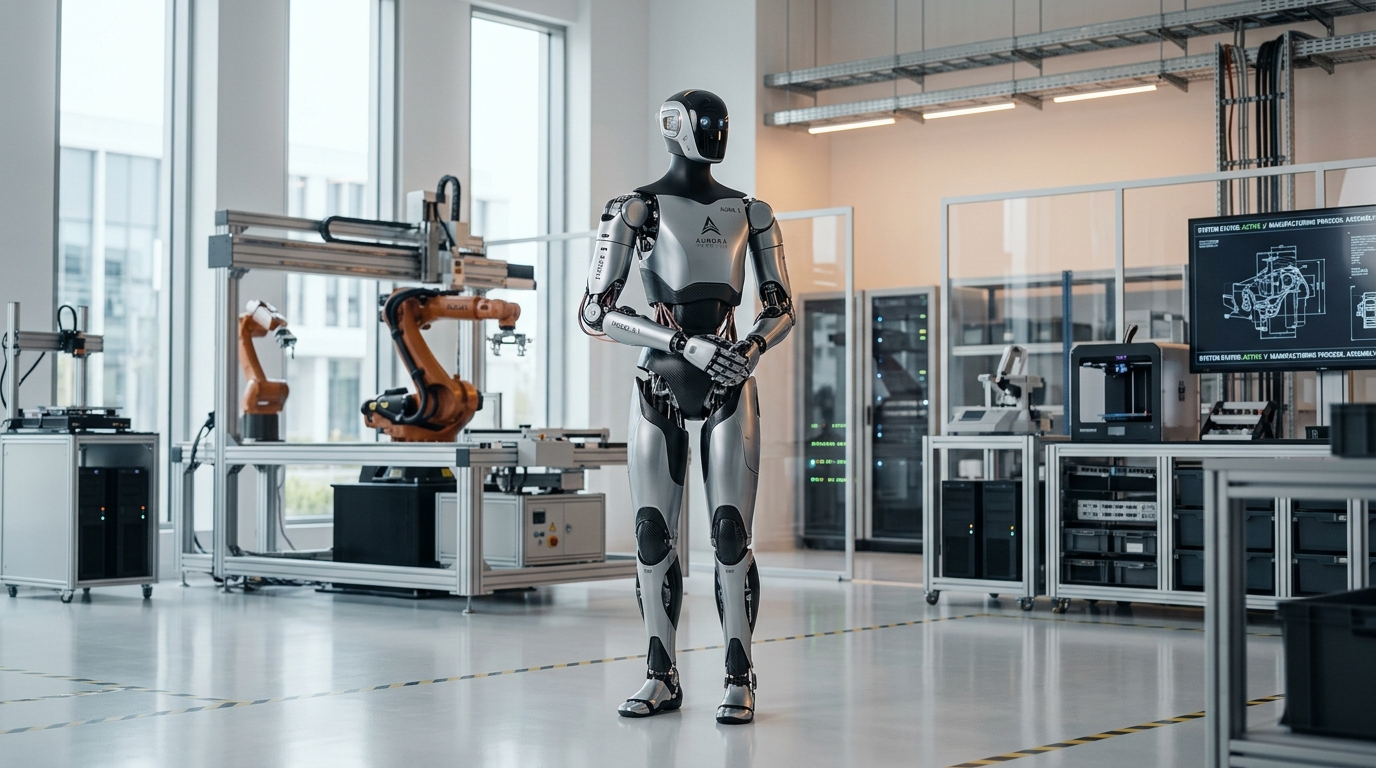
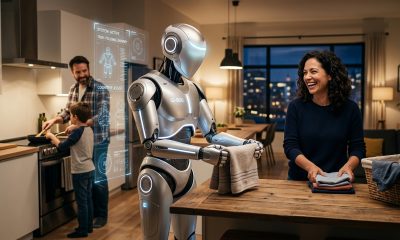
Elon Musk confirmed on May 4, 2026, the timeline for Tesla”s Optimus Gen 3 humanoid robot: a mid-2026 reveal, with mass production commencing late July or August at the Fremont factory. Targeted pricing of $20,000-$30,000 positions it for homes and small businesses, building on prototypes autonomously traversing Tesla offices.
Production Scale Meets Practical Pricing
Fremont”s proven lines enable rapid ramp-up, applying automotive scale to embodied AI. This affordability shifts humanoids from enterprise to SMB accessible, where local infrastructure coordinates robots with smart devices and workflows.
What does this mean for local AI infrastructure? On-device execution for tasks reduces API costs and latency, with approval workflows for external shares preserving privacy.
Agentic Capabilities for Unstructured Environments
Gen 3 advances agentic AI for multi-step planning in homes—organizing, monitoring, assisting—necessitating governance to define local vs approved actions.
Owner-Controlled Deployment
Humanoid readiness demands platforms distinguishing routine local ops from sensitive escalations. Need-to-know data sharing ensures control.
InteliDroid Perspective
Optimus Gen 3”s timeline underscores imminent humanoid integration. InteliDroid”s Humanoid Readiness orchestrates local-first agents with approval-based automation, empowering owners with governance over private AI conductors in their spaces.

Humanoid Robots
1X Technologies Launches America’s First High-Volume Humanoid Factory as NEO Preorders Sell Out in Days
1X Technologies has launched America’s first high-volume humanoid robot factory, with NEO home robot preorders selling out in five days. What this milestone means for local AI infrastructure, humanoid readiness, and owner-controlled governance.
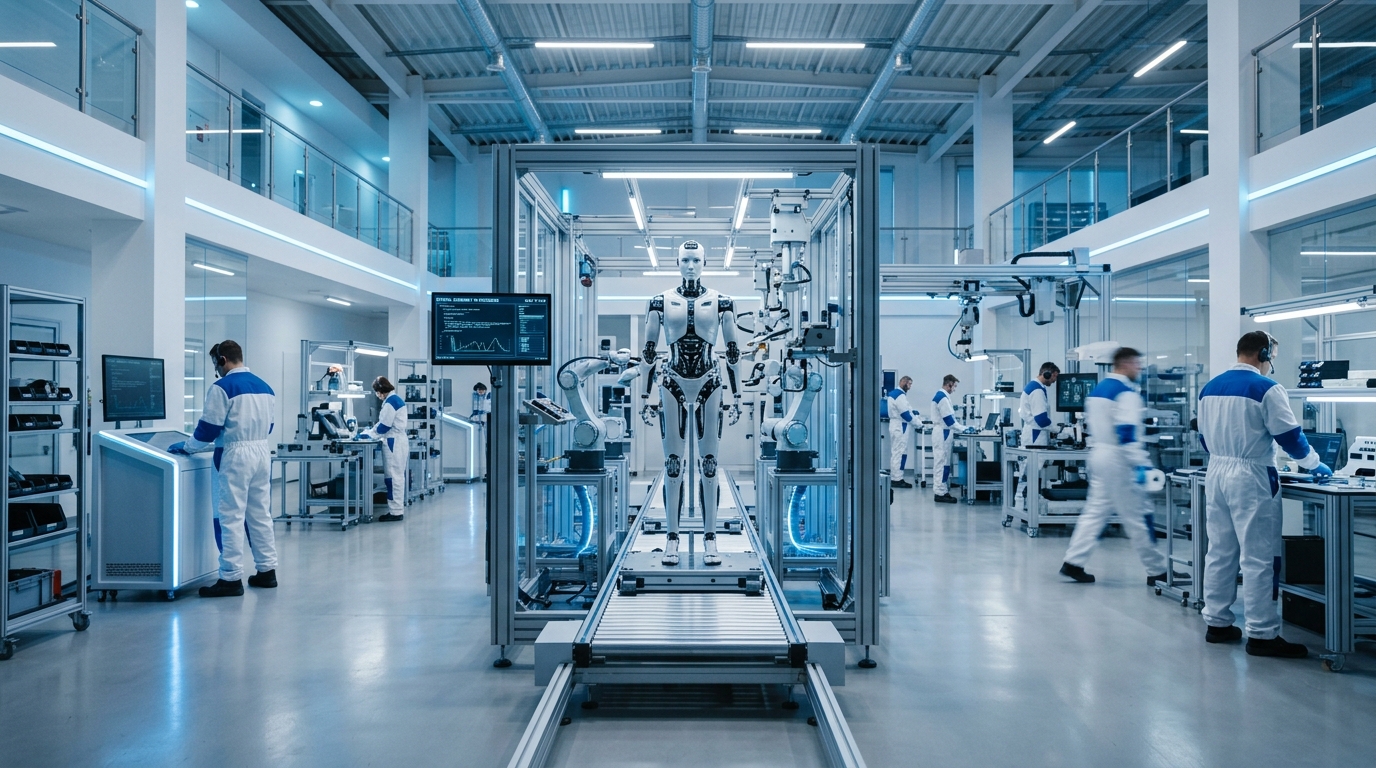
When 1X Technologies opened the doors to its Hayward, California facility and began full-scale production of its NEO home humanoid robot in late April 2026, it marked something quieter but more significant than a product launch: the first time an American company had purpose-built a high-volume humanoid robot factory from the ground up. Within five days of opening preorders for NEO’s initial production batch of approximately 10,000 units — priced at \,000 each — every slot was claimed. A monthly subscription option at \ provides an alternative path to ownership, with shipments expected to begin later this year.
The speed of that sellout reflects a market that has been watching embodied AI develop in labs and demos for years and is now ready to move. For homes and small businesses considering what local AI infrastructure looks like in a physical form, the NEO represents a concrete answer rather than an abstraction.
What the Hayward Factory Signals for Humanoid Scale
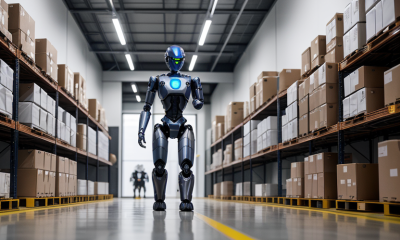
1X Technologies describes the Hayward plant as America’s first high-volume humanoid robot factory — a vertically integrated facility where critical components are designed and manufactured in-house. Early NEO units are already working the factory floor itself, handling parts stocking and logistics tasks while simultaneously feeding real-world operational data back into training pipelines. It is a self-reinforcing loop: the factory that builds the robot also runs it, generating the behavioral data that makes the next generation more capable.
The company’s target is ambitious: up to 100,000 units annually by the end of 2027. Even at the low end of that range, it would represent a step-change in the supply of humanoid robots available to non-industrial buyers. Reaching that volume requires consistent manufacturing discipline — the kind that a purpose-built, vertically integrated facility is designed to sustain in ways that general-purpose contract manufacturing cannot easily replicate.
NEO’s Design Philosophy: Practical Intelligence Over Spectacle
The NEO stands approximately 5 feet 6 inches tall and weighs around 66 pounds — proportions chosen not for dramatic effect but for practical coexistence with the humans and environments it will share. The robot is engineered to handle household and light-business tasks: cleaning, carrying, general support. The emphasis is on reliability across the kinds of unscripted, variable situations that define real domestic environments, rather than polished demonstrations under controlled conditions.
This design philosophy aligns with a broader shift in the embodied AI field away from benchmark performance and toward deployment durability. What matters for a home humanoid robot is not what it can do on its best day in a lab, but what it does consistently on its hundredth day in an actual kitchen or office. 1X’s decision to test NEO units in real factory operations before shipping them to buyers reflects this orientation.
Humanoid Readiness: From Concept to Purchase Decision
The sellout of NEO preorders answers a question the robotics industry has debated for years: is there genuine consumer demand for a humanoid robot at this price point? The answer, at least at the scale of 10,000 units, appears to be yes. But demand and readiness are not the same thing. The homes and small businesses where NEO will arrive need infrastructure capable of coordinating a humanoid robot alongside existing smart devices, local AI models, and business workflows — without that robot becoming an unmanaged endpoint that generates data without accountability.
What should stay local when a humanoid robot is operating in a home or small business? Routine task execution, spatial mapping, and interaction logs should remain on-premises. What should require explicit owner approval before leaving the node? Any behavioral telemetry shared with the manufacturer, any third-party integrations, and any actions that touch sensitive personal or business information. As humanoid readiness advances from aspiration to actual hardware arriving at front doors, the governance layer underneath that hardware becomes as important as the robot itself.
The Broader Manufacturing Moment
1X’s factory launch does not exist in isolation. Tesla’s Fremont facility has begun installing first-generation Optimus production lines with annual capacity targets in the millions. Figure AI reached one Figure 03 humanoid per hour at its BotQ facility last week. Meta’s acquisition of Assured Robot Intelligence signals that the largest software companies now view embodied AI as a necessary frontier. The concentration of manufacturing investment across multiple companies in a short window suggests the industry has moved from “if” to “when” and is now debating “how fast.”
For owners of homes and small businesses considering when to engage with humanoid AI, the practical question shifts. It is no longer whether capable robots will exist in sufficient quantity — the supply-side constraints are visibly dissolving. The question is what kind of local AI infrastructure will coordinate those robots in a way that keeps the owner in control, keeps sensitive data appropriately bounded, and makes it straightforward to grant or revoke permissions as the use case evolves.
InteliDroid Perspective
The rapid sellout of 1X’s NEO preorders confirms that humanoid robots are entering private spaces on a meaningful timeline. As these robots arrive, the orchestration layer governing what they do — and what data leaves the home — becomes the critical variable. InteliDroid’s approach to Humanoid Readiness is built around exactly this challenge: coordinating embodied AI through need-to-know data sharing, approval-based automation, and owner-controlled AI governance, so that the intelligence running in your space remains accountable to you rather than to a distant platform.
Humanoid Robots
UniX AI”s Panther: First Mass-Produced Humanoid Enters Real Homes
UniX AI”s Panther humanoid pioneers real-home deployment with mass-produced tech. Insights on embodied AI, local servers, and governance for private humanoid integration.
Panther”s Breakthrough in Real Households
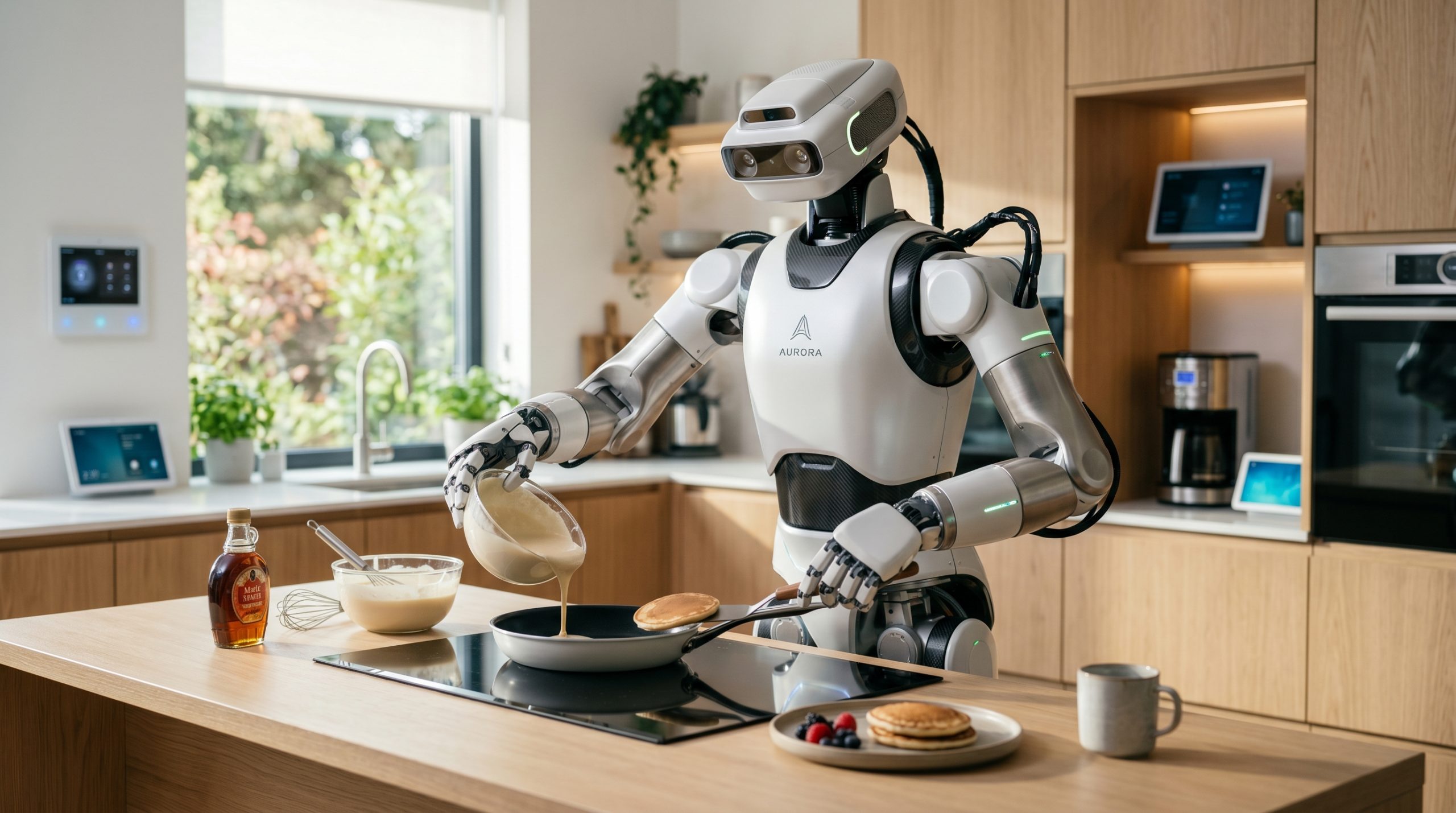
UniX AI, a leader in humanoid robotics, has marked a pivotal advancement with its Panther series achieving the first real-home deployment of a mass-produced humanoid robot. In unmodified household settings, Panther executed complex, unscripted tasks including waking occupants, making beds, preparing breakfast, comprehensive cleaning, and object organization. This transition from laboratory demos to practical home service heralds the dawn of embodied AI integration into daily life.
Wheeled Dual-Arm Architecture for Agile Home Navigation
Panther employs a differentiated wheeled dual-arm design, featuring the world”s first mass-produced 8-DoF bionic arms and adaptive grippers on an omnidirectional 4WS+4WD chassis. Building on Wanda 2.0, it boasts an 80cm vertical lift for full-range operations and a 48V power system for robust performance. This configuration excels in narrow, cluttered domestic spaces, prioritizing usability over humanoid mimicry.
Technology Trinity Powers Autonomous Task Chains
UniFlex enables efficient task generalization across scenarios, UniTouch fuses vision and tactile data for precise manipulation, and UniCortex handles long-horizon planning for multi-step workflows. Together, they allow interruption handling, replanning, and continuous execution—essential for agentic AI in dynamic home environments.
Implications for Local AI and Privacy Governance
Panther”s onboard compute underscores the shift toward local AI infrastructure, minimizing cloud dependency for privacy-sensitive operations. Home data like routines and layouts should remain local, with approval gates for external access. Platforms like the InteliDroid Server can orchestrate these robots, enforcing need-to-know sharing and owner oversight, reducing costs and enhancing auditability.
Humanoid Readiness Accelerates for Homes and Businesses
As robots like Panther prove viable for chores and care, humanoid readiness in private settings advances. Local-first solutions ensure control, defining boundaries for data flows and automation. This milestone signals lower barriers to adoption, with governance focusing on what requires human approval.
InteliDroid Perspective
UniX AI”s Panther deployment highlights humanoid robots” entry into homes, where local orchestration is key. The InteliDroid Server acts as a private AI conductor, coordinating such agents via approval-based automation and privacy architecture. Owner-controlled workflows keep sensitive actions local, fostering trust in embodied AI. Explore integration strategies at Humanoid Readiness.
Humanoid Robots
Figure AI Ramps Figure 03 Production to One Per Hour: Humanoid Manufacturing Milestone
Figure AI hits one Figure 03 humanoid per hour—a robotics manufacturing leap for embodied AI. Implications for local infrastructure and humanoid governance.
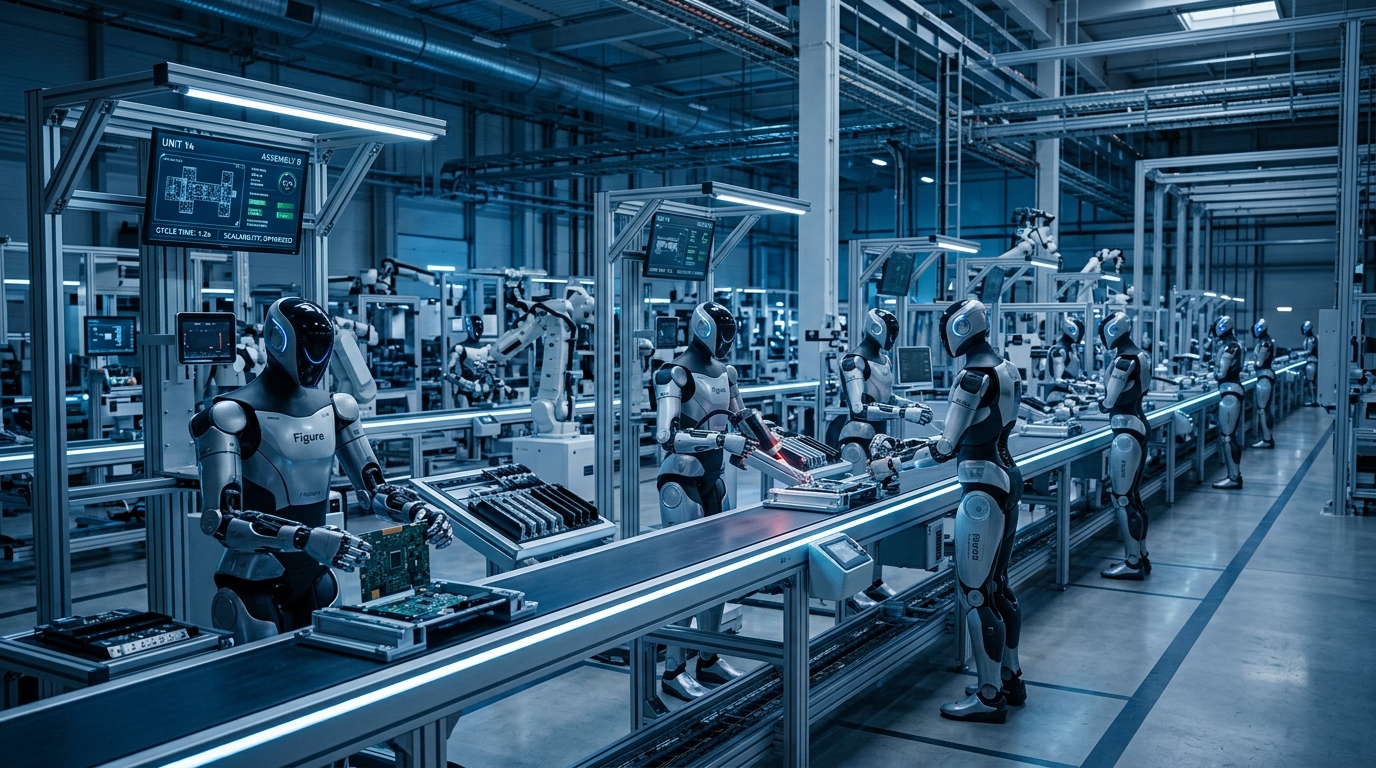
Figure AI announced on April 29, 2026, a groundbreaking achievement: producing one Figure 03 humanoid robot per hour at its BotQ facility. This 24x throughput increase in just 120 days marks a pivotal step toward scalable embodied AI deployment.
With over 350 robots delivered, the ramp-up generates massive real-world data for the Helix model, enabling perception-conditioned whole-body control for navigating uneven terrain and complex tasks.
BotQ: The Engine of Humanoid Scale
The facility’s optimizations focus on high-volume output while maintaining precision. Each robot contributes to AI training loops, hardening systems for unstructured environments like homes and warehouses. This manufacturing prowess addresses a key bottleneck: supply for demand.
Advancing Embodied AI Capabilities
Figure 03’s upgrades include end-to-end neural networks for dexterous manipulation and mobility. Such agentic behaviors demand robust local infrastructure to process perception data on-device, minimizing latency and cloud reliance.
Governance in the Humanoid Era
As humanoids proliferate, privacy becomes paramount. What stays local? Vision data, path planning, routine actions. What requires approval? External API calls, data shares. This need-to-know model preserves owner sovereignty.
InteliDroid Perspective
Figure AI’s scale-up brings humanoid robots closer to homes and small businesses. The InteliDroid Server orchestrates local-first execution, ensuring embodied AI operates under approval-based governance for privacy and control. Humanoid Readiness

Tesla Optimus Gen 3: Mid-2026 Reveal Accelerates Humanoid Readiness

1X Technologies Launches America’s First High-Volume Humanoid Factory as NEO Preorders Sell Out in Days

UniX AI”s Panther: First Mass-Produced Humanoid Enters Real Homes

Home Assistant 2026.5 Beta Unlocks RF Control for Local-First Smart Homes

Figure AI Ramps Figure 03 Production to One Per Hour: Humanoid Manufacturing Milestone

Japan Airlines Launches Humanoid Robot Trial at Haneda: Revolutionizing Airport Operations with AI Robotics

1X NEO Preorders Open: The Consumer Era of Humanoid Service Droids Begins

Figure 03’s 100% Autonomous Amazon Trial: The Rise of Physical AI in Humanoid Robotics

The Imperative of Inclusion and Diversity in AI Humanoids: Cultivating Culturally Resonant Interactions

Humanoid Robots Steal the Spotlight at UN Artificial Intelligence Meeting

The Dawn of Intelligent Machines: Unveiling the Figure 01 Humanoid Robot

Sanctuary AI’s Humanoid Robot: Blurring the Lines between Humans and Machines

Principles of Freedom in the InteliDroid AI System: A Comprehensive Exploration

Key Principles and Ethical Considerations of Law as Incorporated into the InteliDroid AI Platform: A Question and Answer Guide

Unitree H1 Hits 10 m/s: Humanoid Robot Closes In on Usain Bolt’s World-Record Pace

Meet Roadrunner: The RAI Hybrid That Swaps Between Legs and Wheels Zero-Shot
-
 Artificial Intelligence4 weeks ago
Meet Roadrunner: The RAI Hybrid That Swaps Between Legs and Wheels Zero-Shot
-
 Robotic3 weeks ago
Unitree H1 Hits 10 m/s: Humanoid Robot Closes In on Usain Bolt’s World-Record Pace
-
 Humanoid Robots2 weeks ago
Tesla Optimus Production Accelerates: Mass Deployment of Humanoid Robots Nears
-
 Robotic4 weeks ago
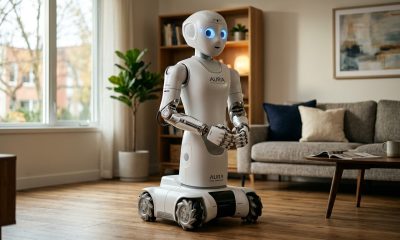
UniX AI’s Panther: The World’s First Service Humanoid Robot Enters Your Home
-

 Robotic1 month ago
China’s 2026 Humanoid Robot Half-Marathon: 300 Robots Race Alongside Humans on April 19
-
 Robotic4 weeks ago
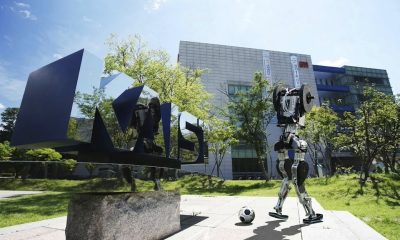
KAIST’s Humanoid v0.7 Sprints, Moonwalks, and Kicks Its Way Into the Physical AI Era
-
 Humanoid Robots2 weeks ago
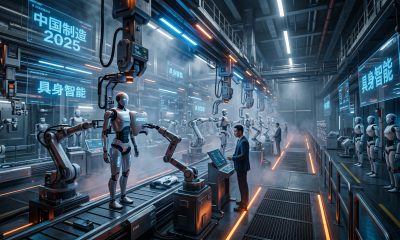
China Leads the Charge: Agibot, Unitree, and UBTECH Set Humanoid Shipment Records
-

 InteliDroid Feature3 weeks ago
The Robot Reality Check: What the Beijing Half-Marathon and Stanford’s 2026 AI Report Reveal